According to Bob
Real life lessons from an extra-ordinary man
By his son, Jeff Davis
For Dad. You never wrote any of this down. You just lived it, and we were paying attention.
Be always humble, gentle, and patient. Show your love by being tolerant with one another.
Ephesians 4:2
That was my Dad. Well, maybe not the patient part. But the humble and gentle part, absolutely.
- PrefaceWhy I Wrote This Book
- PrologueBefore It’s Too Late
- IntroductionWhere He Came From
- 01Lesson OneHonesty
- 02Lesson TwoIntegrity
- 03Lesson ThreeEmpathy
- 04Lesson FourWork Ethic
- 05Lesson FivePerseverance
- The Family BusinessCarol’s Funnel Cakes
- 06Lesson SixFamily
- 07Lesson SevenFaith
- 08Lesson EightCommon Sense
- 09Lesson NinePatriotism
- 10Lesson TenUnconditional Love
- ClosingThe Moral of His Story
- EpilogueA Letter to Dad
- TimelineBob's Life at a Glance
- For Young ReadersMeet Great-Grandpa Bob
- In His Own WordsBob-isms
- About the AuthorJeff
Copyright © 2026 Jeff Davis. All rights reserved.
Scripture quotations at the end of each chapter are from the ESV® Bible (The Holy Bible, English Standard Version®), © 2001 by Crossway, a publishing ministry of Good News Publishers. Used by permission. All rights reserved.
Why I Wrote This Book
My Dad was special.
He didn’t always have a great life himself. But he gave a great life to my Mom, to us kids, and to everyone who came after.
In many ways, Bob was an ordinary man. He was never famous, and he never wanted to be. He worked hard, loved his family, trusted God and loved his country. That is exactly what made him a great man.
I suspect many of you could tell a similar story about your own father or mother. Men and women like Bob never made the headlines. They raised their families, kept their word, worked hard and went to church on Sunday. They are the fabric this country was built on… and I believe they are still what make America great. I wrote this book so we don’t lose that… so my grandchildren won’t lose that!
This is his story, and these are his lessons.
Jeff
© 2026 Jeff Davis. All rights reserved.
Before It’s Too Late
I’ve heard the word “cancer” twice in a way that changed my life.
The first time, it was Dad’s. Six weeks after he danced with Mom at my 50th birthday, he was diagnosed with pancreatic cancer. Six months later, he was gone.
For years after that, I feared pancreatic cancer would come for me, too. So the second time surprised me. It was mine, and it was prostate cancer… advanced and very aggressive.
My first thought was that I was giving it to God. His will be done! That first thought has been my constant ever since, and I’ve been at peace.
I had a prostatectomy, then radiation, then androgen deprivation therapy. The treatment did a number on my physical health. It took my golf game, and it left me more prone to injury. But today I’ve had no evidence of disease for five years. I still get blood tests every 90 days, and I’m grateful to God every single day. I’m in a great place. And I have no complaints. (You’ll learn why later in this book.)
And as I write this, my brother, Steve, is fighting his own battle with brain cancer. He is in the midst of treatment right now.
Experiences like these make you think hard about time… how much of it any of us really has, and what we do with it.
I thought a lot about Dad. About the way he faced his own diagnosis, counting his blessings right up to the end. And I thought about the letter.
Shortly before he died, I wrote Dad a letter telling him everything he meant to me. And then I put off delivering it. By the time I got to his bedside, he was very near the end. I’ll tell you that story at the end of this book. But I still don’t know if he heard it.
I waited too long once. I don’t intend to do it again.
And I thought about my grandfathers. I never knew either one of them. Dad lost his father when he was just 11, long before I came along. My Mom’s father was a World War I veteran who had his own struggles, and he was distant. He died on my 8th birthday. I never really knew him, either.
I don’t want that for my grandchildren. I have seven of them now, and they know me well. But they never got to meet my Dad. They will never sit with him at a funnel cake stand, or tee off with him at 7 a.m., or hear him tell the one about the whiskey and the worms. Everything they will ever know about their great-grandfather, they will learn from us.
This book is for them, and for my children, someday my great-grandchildren, and my nieces and nephews and their children. I want them all to know my Dad the way I knew him, and to understand the foundation our family was built on.
So I’m writing it down. All of it. Before it’s too late.
© 2026 Jeff Davis. All rights reserved.
Where He Came From
Many people knew my Dad as Bob. His grandkids knew him as Grandpa… and the funnel cake man. I knew him as my rock, my safety net and my inspiration.
Dad would always joke, “My name is Bob. Easy to spell, backwards and forwards…”
Over the years, I’ve been fortunate to meet a lot of powerful and accomplished people. Not one of them measured up to my Dad.
He would have laughed at that. Bob never set out to teach anybody anything. He just worked hard, said what he meant and expected the same from everyone else. But nearly everything good in me, I can trace back to something he said or did.
To understand the lessons, you have to know a little about his life…
Many of the stories from Dad’s early days, I learned from my Mom. As I mentioned earlier, Dad was a humble guy. He wasn’t going to tell me those stories himself. But Mom would. She had incredible love and respect for Dad and for all that he did. Mom really loved him… and I always knew that.
Bob was born in Tulsa, Oklahoma, in 1933. He grew up in a small rural farmhouse at 11th Street and Lynn Lane, right on old Route 66. His dad owned Route 66 Salvage and was known as a great trader and deal maker.
At the age of 3, he contracted scarlet fever and lost the vision in his right eye. I was always amazed at the things he could do with only one eye. In the Army, he learned to shoot a rifle left-handed. He played pretty good golf. And he did most everything else well, too. Not once did I ever hear him complain about it or blame it for anything. He just kept going.
His dad died of tuberculosis at the age of 44, after a lengthy illness. Bob was just 11.
I can’t imagine what that was like for an 11-year-old boy… watching his father get sicker and sicker, and then losing him. When I was a small child, I had nightmares about losing my Dad. Dad didn’t just fear it. He lived it. It shaped him for the rest of his life.
His father’s death left his mom with six children: Bob, his two brothers and his three sisters. So Bob went to work.
At the age of 13, he started his own hay hauling business. He worked many areas of East Tulsa, including what is now the site of Woodland Hills Mall. The money he earned helped support his mom and his brothers and sisters.
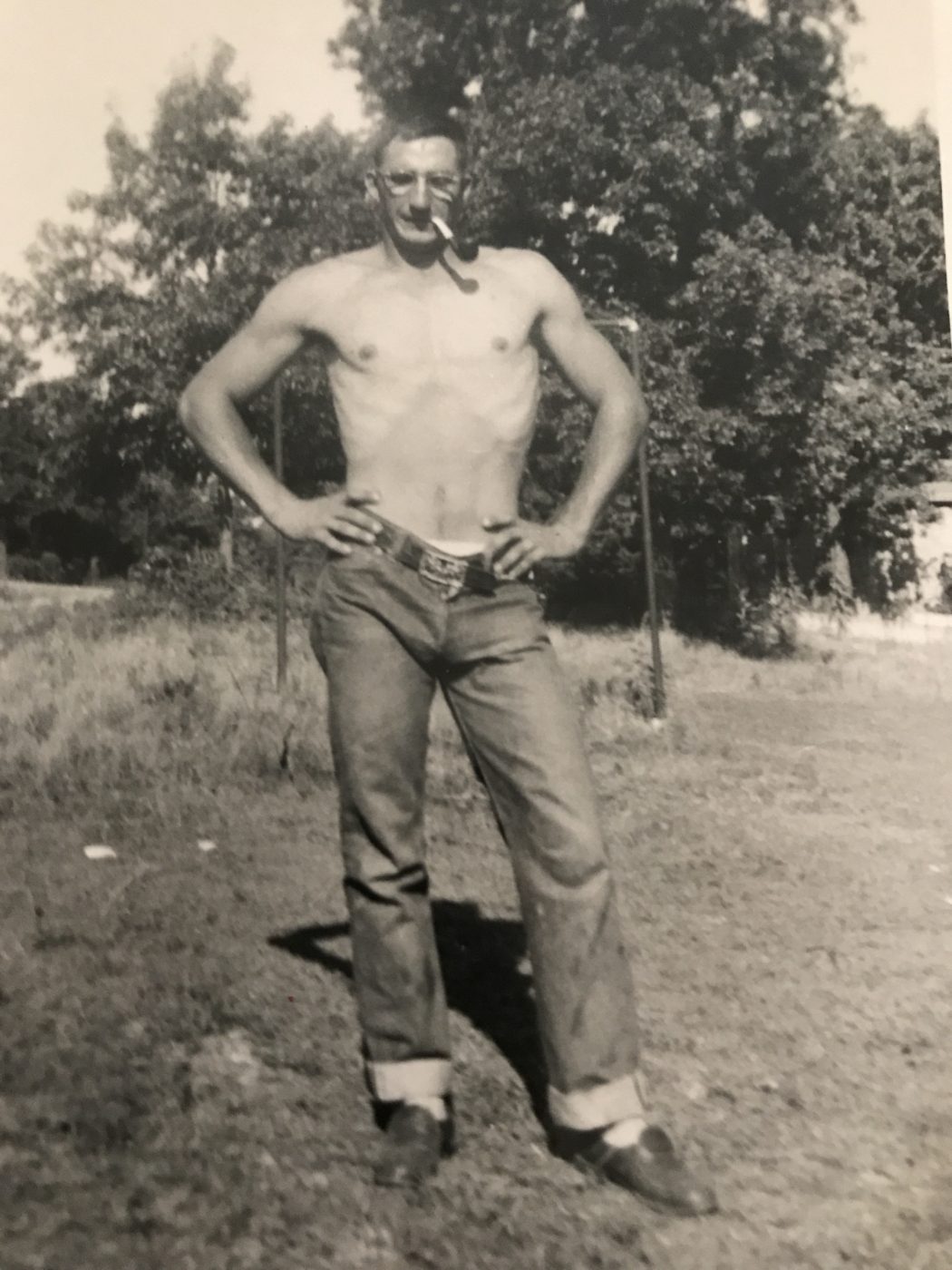
Bob’s mom raised her kids right. She wasn’t afraid to take a switch to her teenage boys when they caused a ruckus. Dad loved to tell that story, and it left us with a picture we still laugh about: two very big boys picking out their own switches before the punishment began.
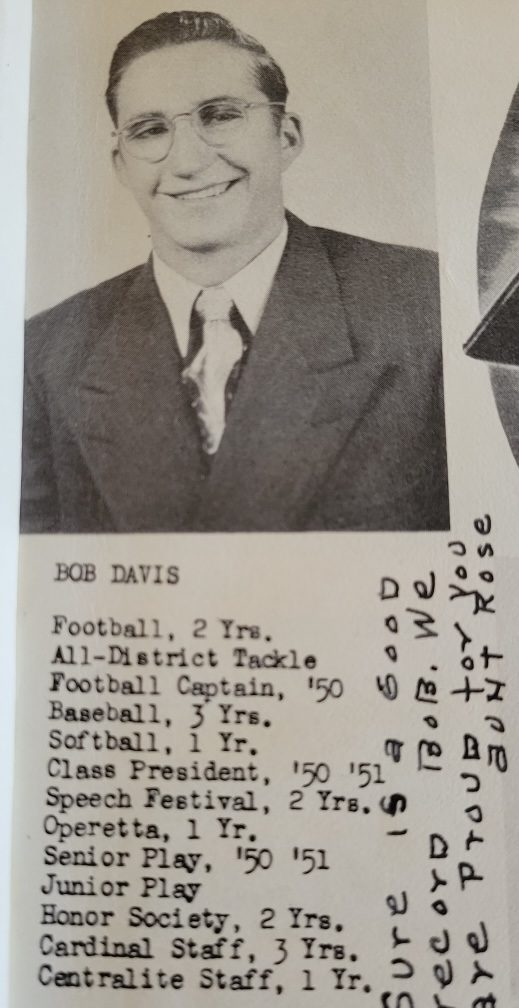
He graduated from East Central High School in 1951, where he was a leader in his class… literally. He was class president his junior and senior years, and a member of the Honor Society. He played football and earned all-conference and all-district honors as both an offensive and defensive tackle, and he was team captain in 1950. He loved making those rolling body blocks… and he always said he wanted to play just one more game.
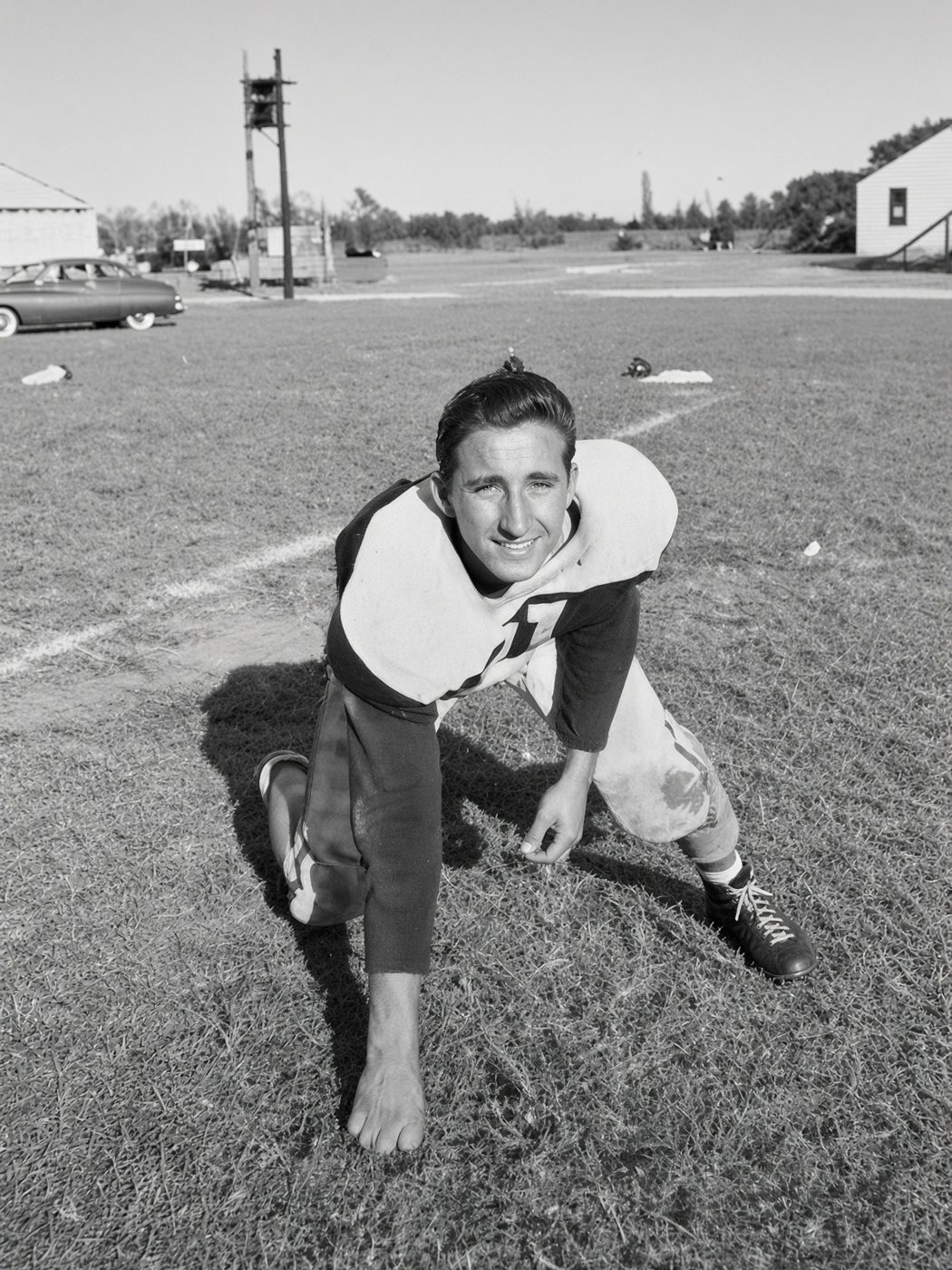
He played baseball, too. And believe it or not, he sang in the operetta, acted in the junior and senior plays, and competed in the speech festival. (So that’s where those dinner party presentations came from!)
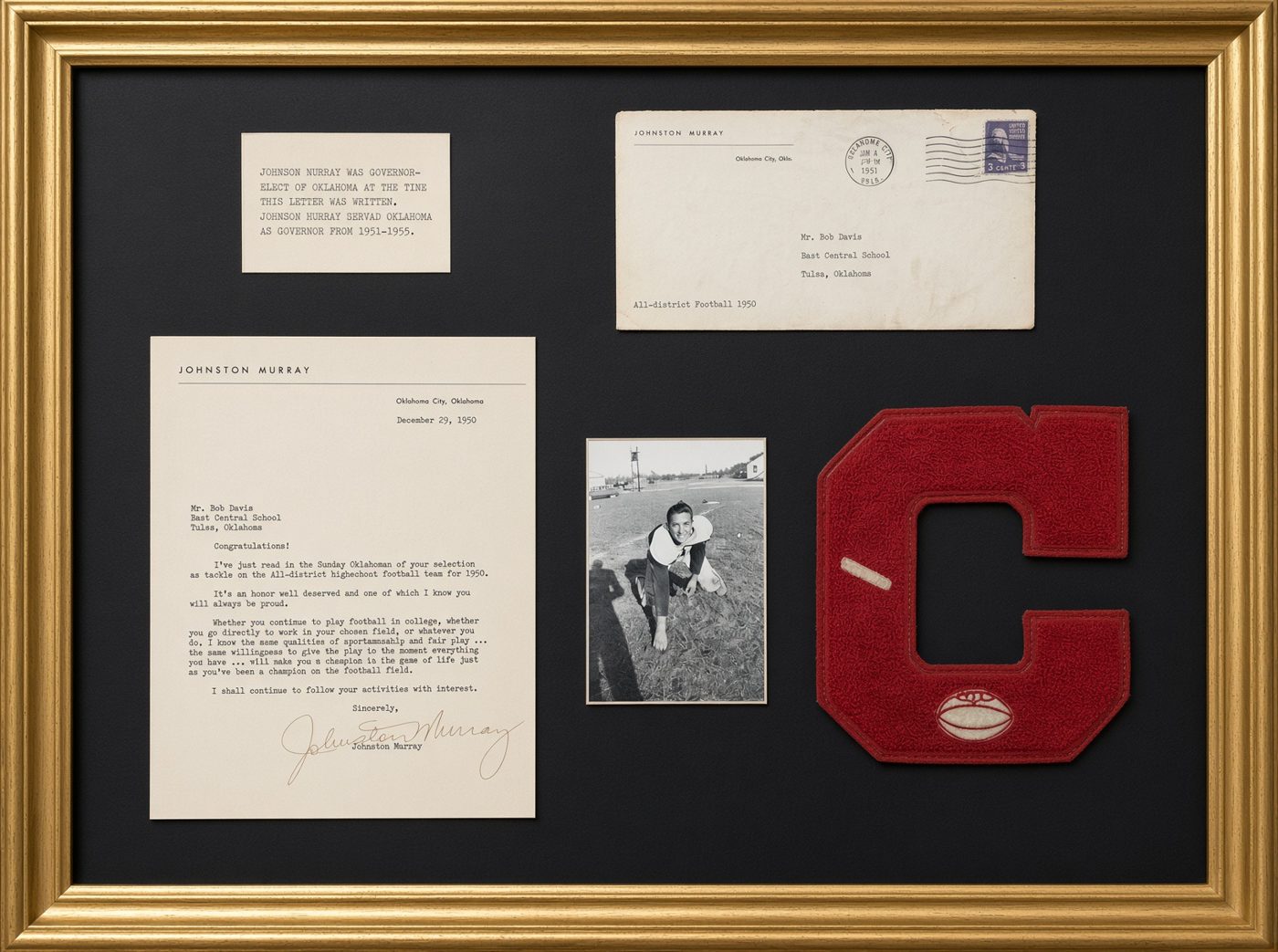
When Dad was named an all-district tackle in 1950, Johnston Murray, who was about to become Oklahoma’s 14th governor, sent him a congratulatory letter. He wrote that the same qualities Dad showed on the field would make him “a champion in the game of life.” It didn’t mean a lot to Dad… but it did to me.
He went on to graduate from Connors State Agricultural College, where he spent two years studying to become a county agent. He used to impress us with what he learned there about auctioneering. He was always proud of Connors and what he accomplished there. He played football there too, and he got a real chuckle telling stories about blocks that would be illegal today… especially the one about himself and Tiny, an all-conference defensive tackle.
After Connors, he married my Mom, Carol Davis, on January 10, 1955, and served in the Army in the years just after the Korean War. Their first child, my brother Robby, suffered from a long illness and died when he was just 3. Mom and Dad went on to raise four more kids: Steve, Julie, me (Jeff) and Jana.
This book isn’t a biography. It’s a collection of the things Dad believed, told the way he taught them… plainly, and mostly by example. If you knew Bob, I hope you’ll hear his voice. If you didn’t, I hope you’ll wish you had.
What follows is life… according to Bob.
© 2026 Jeff Davis. All rights reserved.
Honesty
Dad was emphatic about it. Lying was one of the worst things you could do.
Whenever I got in trouble, he told me the same thing. Come to me, tell me what you did, and take your punishment. But if he later found out I’d lied to him about it, my punishment would be much, much worse.
So when I did misbehave, and something needed to be told… I told it truthfully.
His honesty went all the way down to the little things. Like the mailbox.
One time Dad asked me to take care of something for him, and I said, “Okay, I’ll do that and just drop it in the mailbox.”
“No,” he said. “The mailbox is for the post office only.”
In those days, rural mailboxes said something like “U.S. Government Use Only.” And Dad meant it. If it didn’t come from the post office, it didn’t go in the mailbox.
My sister Julie remembers another one. Dad used to say that if you’re 13 at the movie theater and you tell them you’re 12 to get the discount, that’s the same as stealing. Don’t lie about your age. Be honest.
Small things? Maybe. But to Dad, there was no such thing as a small lie.
- When did telling the truth cost you something? Was it worth it?
- Who taught you to tell the truth, and how did they do it?
© 2026 Jeff Davis. All rights reserved.
Integrity
That saying is imprinted on my mind. It has been my entire life.
Dad was resolute about it. If you tell someone you’re going to do something, you do it. He cared about his reputation, and he hated lying. To him, breaking your word was just another way of telling a lie.
He came up in a time when a handshake meant something. I’ve signed plenty of contracts in my career. None of them ever felt as binding as a promise from my Dad.
And Dad had the firmest handshake I’ve ever experienced. He always told me that a firm handshake and looking a man in the eye was the best way to make a good impression.
You could see it on the golf course, too. Dad was a stickler for recording the correct score. Golf is a gentleman’s game, and he appreciated that it has its own code of honor. If I took a little liberty with the pencil, writing down a 5 when I’d really made a 6, he’d remind me that I was only cheating myself. He impressed on me a strong sense of fair play, and that golf calls for integrity above all.
Years later, when I founded my own company, I passed that lesson on. I used to tell my direct reports: if you’re faced with a decision and you’re trying to determine which way to go, and you see a gray area… then you have your answer.
If you have integrity, decisions are rarely, if ever, gray. They’re either white or black. Right or wrong.
I learned that from my Dad.
That’s integrity.
- Is there a gray area in your life right now? What would the right-or-wrong answer be?
- Whose word could you always count on?
© 2026 Jeff Davis. All rights reserved.
Empathy
Dad always told me there are two sides to every story. And he always told me to put myself in the other person’s shoes… because you just don’t know what that person is going through at any given time.
Maybe he learned that growing up. A boy who has to grow up as fast as he did learns early that everybody is carrying something.
Growing up, we were close with a family that had several daughters. They were horse people, and they taught me and my brother and sisters how to ride.
Then one devastating day, we learned that their father had taken his own life in their kitchen.
Dad went to that house. Quietly, without complaint, he cleaned the house himself, so the family wouldn’t be left with such a terrible memory. Nobody asked him to. He didn’t have to do it. But that was the kind of man he was.
I saw it many, many times over the years… Dad giving of himself to support others, and never once complaining about it.
I think about his words more as I get older, and even more since my own cancer diagnosis. Now I understand what it means to carry something other people can’t see. I need to do a better job of it, but I try to understand where the other person is coming from. Everyone has problems to deal with.
Dad had a funny take on complaining, too. “Jeff,” he’d say, “don’t tell others your problems. Half don’t care, and the other half are secretly glad you have them.” I always thought that was funny. Sadly, it’s a very true statement in the world we live in today.
- Think of someone who frustrated you this week. What might they be carrying that you can't see?
- When did someone put themselves in your shoes?
© 2026 Jeff Davis. All rights reserved.
Work Ethic
Dad never had to tell us to work hard. We watched him do it.
He started young, with that hay hauling business at 13, and he never really stopped working after that.
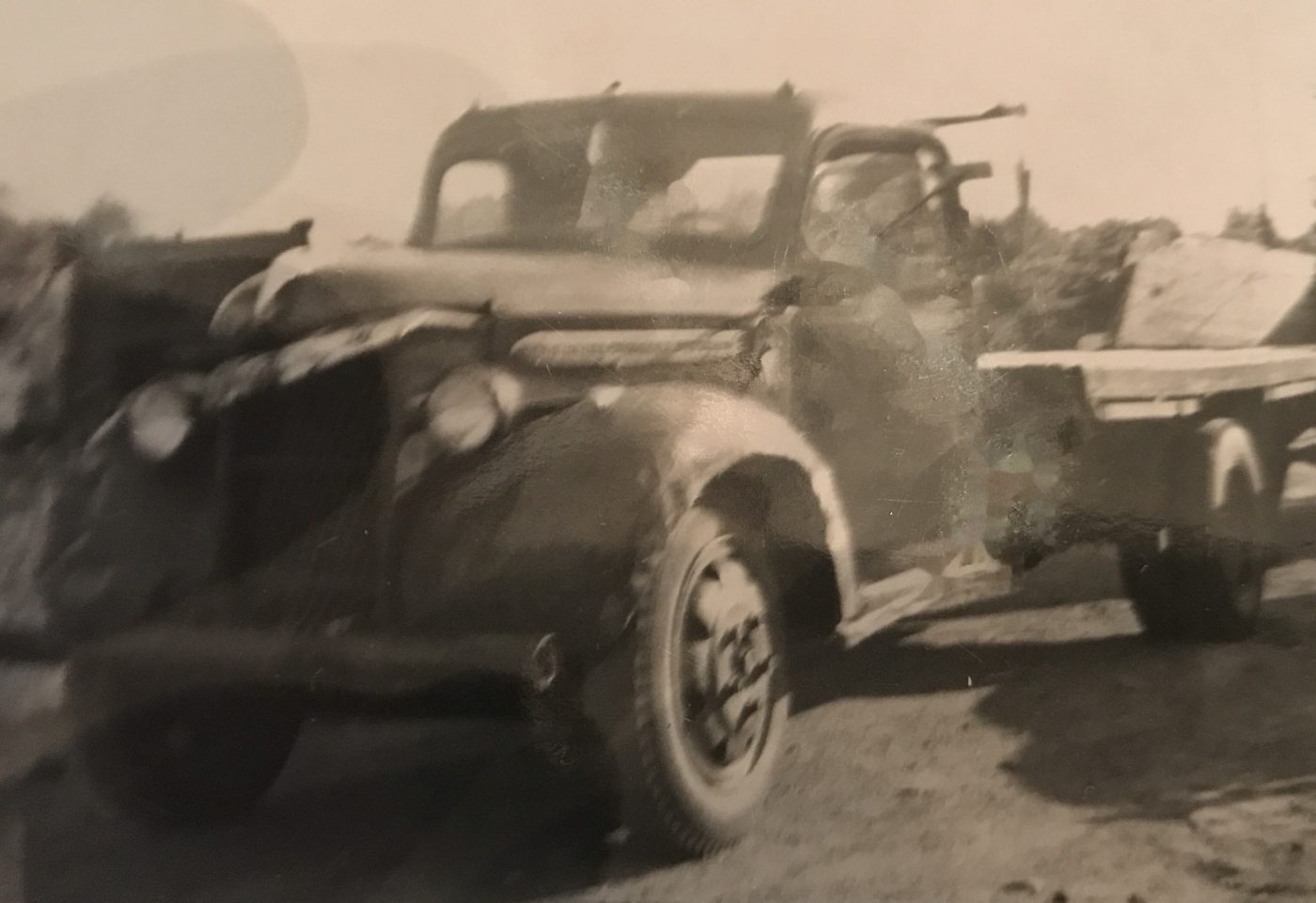
As a young husband and father, Dad started his sales career with the Fuller Brush Company, selling door to door, and he became one of their top salesmen. Mom used to tell me stories about those days. Money was hard to come by back then. Dad couldn’t afford a warm coat, so all he had was a light windbreaker for the cold Oklahoma winters. This was before doorbells… and Dad knocked on so many doors that his knuckles bled. He left early in the morning and came home late at night, because he had a family to support.
Later, he moved on to selling stainless steel cookware for the Mid-Continent Permanent Company, a marketing partner of the West Bend Company. He did well there, and he made a good living for our family.
That job kept him out in the evenings, usually three or four nights a week. He often drove up to an hour from home and got back very, very late. Most men would have slept in the next morning. Not Dad. He had always known work, and he couldn’t stand idle time.
That’s how we came to have a small farm in Missouri, where he raised cattle. He brought in baby calves from Wisconsin, just 3 days old, and we raised them until they were weaned. For a while we had a lot of chickens, too. And pigs. Along the way, he taught all of us how to care for the animals and how the business worked, at least at our level.
And he made sure we did our share. Dad felt it was his responsibility to give us chores, so we’d have a strong foundation for work. In the summertime, he rolled us out of bed at 7 a.m. to feed the cattle, take care of the calves, feed the chickens or weed the cucumbers. There was always something to do.
That cucumber patch is one of our family’s favorite stories. One year, weeding it was my siblings’ and my job. We were kids… and if I’m honest, we hated that cucumber patch. It was years before I could eat a pickle… Ha! But Dad insisted. He wanted to teach us to work.
He took the same approach with my first car. Dad always told me that if I wanted a car, I’d have to get a job and buy it myself.
I held out hope anyway. On the morning of my 16th birthday, I just knew a cherry red Chevelle would be parked in front of the house. It never happened.
“Son,” Dad told me, “I can afford to buy you a car. But you’ll appreciate it more if you work for it.” He was right…
Years later, after I’d had some success, Dad joked one day, “Jeff, I think you should buy me a truck.”
“Well, Dad,” I said, “I can afford to buy you a truck. But I think you’ll appreciate it more if you earn it yourself.”
He laughed. He loved the irony. And he knew that I knew… what he taught me about work ethic had rung true.
- What was your first job, and what did it teach you?
- What's something you appreciated more because you worked for it?
© 2026 Jeff Davis. All rights reserved.
Perseverance
If there’s one word that describes Dad’s life, it might be perseverance. Nothing came easy for him, from his childhood on. And you can see it most clearly in his working life.
One of the turning points of his Permanent career came the night before I was born.
Mom and Dad had two kids at home and a third due any minute. Dad was in a dry spell. He hadn’t sold a single set of cookware, or earned any commissions, in weeks. They had no more money. That evening, he told Mom that if he didn’t make a sale that night, he would give it up and get an hourly job.
Together, Mom and Dad prayed that the Lord would bless him with a successful night.
And a miracle happened. Dad sold seven sets of cookware that night. In 20 years of selling, he never had a better one. To Dad, it was an answer to prayer… proof that perseverance and faith in God would put him on the right path.
Dad made his sales presentations at Permanent Cookware dinner parties. Every once in a while I got to go with him, and I adored watching him command a room. He was a gifted public speaker. He always closed his presentation with a story about the evils of drinking:
A preacher stood at the pulpit one Sunday, ready to warn his congregation about the evils of drinking. He set a glass of water on the podium and dropped a worm into it. “See,” he said, “the worm just wiggles around in the water, with no issues.” Then he took a glass of whiskey and dropped the worm into that. It died immediately. “See the evils of drinking,” the preacher said. “See what whiskey will do to you.”
That’s when an old man in the back of the church stood up and said, “I get it, preacher. As long as I keep drinking whiskey, I’ll never have worms.”
Then he’d finish with, “I hope you got the moral of my story better than the guy in the back of the church!”
His sales and business career was fundamental and formative for me. I learned so much from him that I still use in business today.
Dad was smart about how he left the cookware business, too. In his last four or five years selling, he started financing his own cookware. When he sold a set, he also acted as the bank. That gave him recurring revenue… checks and collections that kept coming in for years and gave him an off-ramp to start something new.
In the late 1970s, he and Mom decided they wanted to do something together and travel the country. So Dad started researching, and he learned about something called a funnel cake. Today everybody knows the delicious fried pastry with powdered sugar. Back then, hardly anyone had heard of it. We had to educate people.
One of our very first trips was to a big festival in South Florida, between Christmas and New Year’s, as I recall. Dad bought plane tickets for all of us, and his brother, my Uncle Dale, met us down there.
Things did not go well. The festival was sparsely attended, and Dad had invested thousands of dollars in the venture. Much of the time, there was nothing to do but sit around and talk. That’s where I learned to drink coffee for the first time… sitting with Dad and Uncle Dale, waiting for customers.
Dad and Dale were very close brothers, and those two had some great laughs. Dale was a big, scruffy, rough-looking man, 6‘5” and maybe missing a tooth or two. But he was a gentle giant.
So they came up with an idea: free samples. That gave us one of the enduring stories of Carol’s Funnel Cakes, as the business came to be called. There stood this giant of a man, scruffy as could be, asking the ladies as they walked by, “How about a free sample?” They’d look at him in shock, then laugh and keep walking. We all got a good laugh out of it… Dad and Dale most of all.
That was a tough time. I’m sure Dad felt very deflated after losing a lot of money at that festival. But he persevered. He kept working at it and built a schedule that, over the years, made a very nice income for him and Mom.
I thought about that example more than once during my own treatment. When the surgery, the radiation and the therapy wore me down, I thought about Dad knocking on one more door. You just keep going.
- When did you want to quit but kept going? What happened?
- What door do you need to keep knocking on right now?
© 2026 Jeff Davis. All rights reserved.
Carol’s Funnel Cakes
Dad was just getting started in the funnel cake business when I helped him on one memorable trip. We camped in a little place called White Hall, Arkansas, not far from Little Rock, to meet the operator of a carnival, hoping he’d let us work some of his stops. He told Dad to meet him at breakfast. So we did. We got there early and waited, sipping our coffee. In walked a man, and Dad said, “I think that’s him,” and we stood up. The man came over, greeted us warmly and said, “I knew it was you. I can tell a carny from a mile away.”
Now, we weren’t carnies. We didn’t think we looked like carnies, either! We laughed about that one for many years.
In those early days, Mom and Dad worked into that carnival from time to time. But they never traveled with it, and they never considered themselves carnies. They did respect the people who worked the midway, though… just as they respected everyone.
Before long, Carol’s Funnel Cakes became a big part of our family’s life. They traveled the United States, serving funnel cakes to thousands of people and generating thousands more smiles along the way. He got a real kick out of the irony of a person ordering a deep-fried, powdered-sugar treat AND a Diet Coke. (I preferred to tell my high school and college friends that he owned a “mobile retail food establishment.” More than a few of them, especially the girls, assumed that meant my dad had money. Rhonda still jokes that she fell for it… and then I fell for her.)
The business became quite popular at the Tulsa State Fair. In fact, I’d say it was an institution there for many years. I worked a few long shifts there myself, and every year Mom and Dad employed lots of friends and family members during that 10-day stretch.
Mom and Dad finally retired in the late 1990s, and they later sold the business to Steve, Jana and Jana’s husband, Tim. Steve and Tim ran it for many years. Even in retirement, Dad never quit his entrepreneurial ways. He ran a vending route up until the last few months of his life.
© 2026 Jeff Davis. All rights reserved.
Family
Dad saw his job as a father in two parts… provide, and love. He never skipped either one.
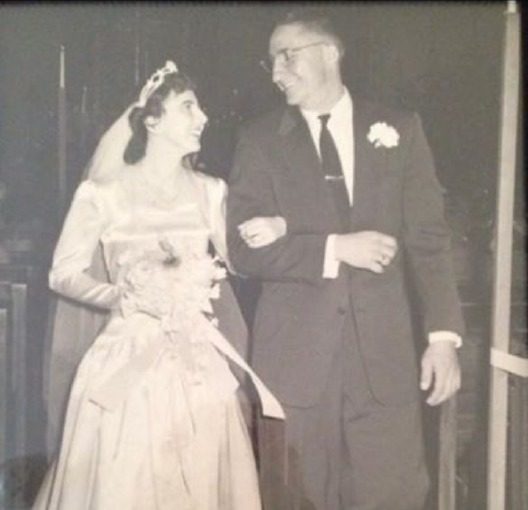
He took providing seriously, in a way I didn’t fully understand until I had a family of my own. Having grown up the way he did, he never took a steady home for granted.
But he knew a paycheck wasn’t enough.
He taught us how to love, mostly by the way he loved Mom. For 57 years he adored her and took care of her, and I’ve tried to follow his example with Rhonda. Theirs was a true love story. All of us kids have patterned our own marriages after theirs.
Their love was tested early. Losing our older brother, Robby, took a tremendous toll on Mom and Dad. Dad had already watched his own father go through a long illness. Now he had to watch his son go through one, too. Dad was such a strong man. But when he talked about Robby, he was vulnerable at the same time… and you could see how much it still hurt.
Dad showed his love in all kinds of ways, even when things didn’t work out. Take fishing. Dad wasn’t much of a fisherman. His fishing trips rarely went as planned. Either we forgot the gear, or the boat motor wouldn’t start, or something else went wrong. He tried really hard, but it just never quite came together.
I remember one trip to Table Rock Lake in Missouri. We were out in the boat, and I was fishing with a little Zebco rod and reel and 10-pound test line. Then I hooked the biggest fish I’d ever seen. It was a carp… beautiful.
I reeled it up beside the boat. Of course, Dad had forgotten the net. So he grabbed his coat and tried to slip it under the fish in the water. And as soon as the fish broke the surface, my line snapped and it was gone.
I was upset and disappointed. But as I think about it now, that was just my Dad trying to do anything he could to show his love and give me a little joy. It wasn’t a great day for catching fish. But I’ll always remember what Dad did to try to make my day a good one.
I finally got the last laugh many years later. By then I had kids of my own, and I took them on a fishing trip to the White River in Arkansas. We had two great days and caught a lot of trout.
As soon as I got home, I called Dad. “Dad, I’m taking you fishing,” I told him. “And this time, I’m bringing the net!”
Two weeks later, we were on the White River together, and we caught a whole lot of fish. He had a great day. This time, it was my turn to bring him joy. A trip and experience I’ll never forget.
When I was 12, I somehow convinced Dad to take up golf with me. My brother, Steve, always joked that he got the “farm dad” and I got the “golf dad.” To be fair, Steve probably did get the wrong end of that deal. He was five years older than me, and he worked very hard on the farm and bore the brunt of the harder work.
True to form, Dad and I were almost always the first group off the tee box in the mornings. 7 a.m. dewsweepers!
Dad was with me the first time I shot even par. It was on the nine-hole municipal course in Monett, Missouri. I sank a 25-foot putt for par on the last hole. I was so happy… and I remember how proud Dad was.
We enjoyed our days on the course together so much. Those are memories I will always treasure… and I’d give anything to play golf with Dad one more time.
Some of my fondest memories are of Dad on the course with my boys, Bobby and Taylor. Three generations, one golf cart path… and more than a few balls in the woods. Thankfully, one of those days was caught on video, and I turned it into a little film called “Double Bogey Blues.”
Cancer eventually took golf from me, too. But it can’t take those mornings.
Mom loved him dearly. She loved her kids and grandkids, too, but I think she enjoyed nothing more than spending their golden years on the road with Dad. In retirement, they spent time in Destin, Florida, and had a tiny home on a creek in Oklahoma. They were full of adventure. Mom definitely kept him busy… and adventurous!
She also had a gift for getting Dad to do things he didn’t necessarily want to do. She’d find a way to “convince” him, or put it in such a way that he felt completely boxed in. And it wasn’t unusual to hear him say, “Damn it, Carol.” It was never in anger. It was more of a “Doggone it, you did it to me again”… said with love.
That was about as rough as Dad’s language ever got. “Damn it” and “hell” were the worst words I ever heard him say. And he hated the F word. Not that one. The word fart. For whatever reason, that word set him off like no other, and it made his blood boil a bit. Since it upset him so much, we didn’t go around saying it. But looking back, I have to laugh that such a harmless little word got such a reaction from him.
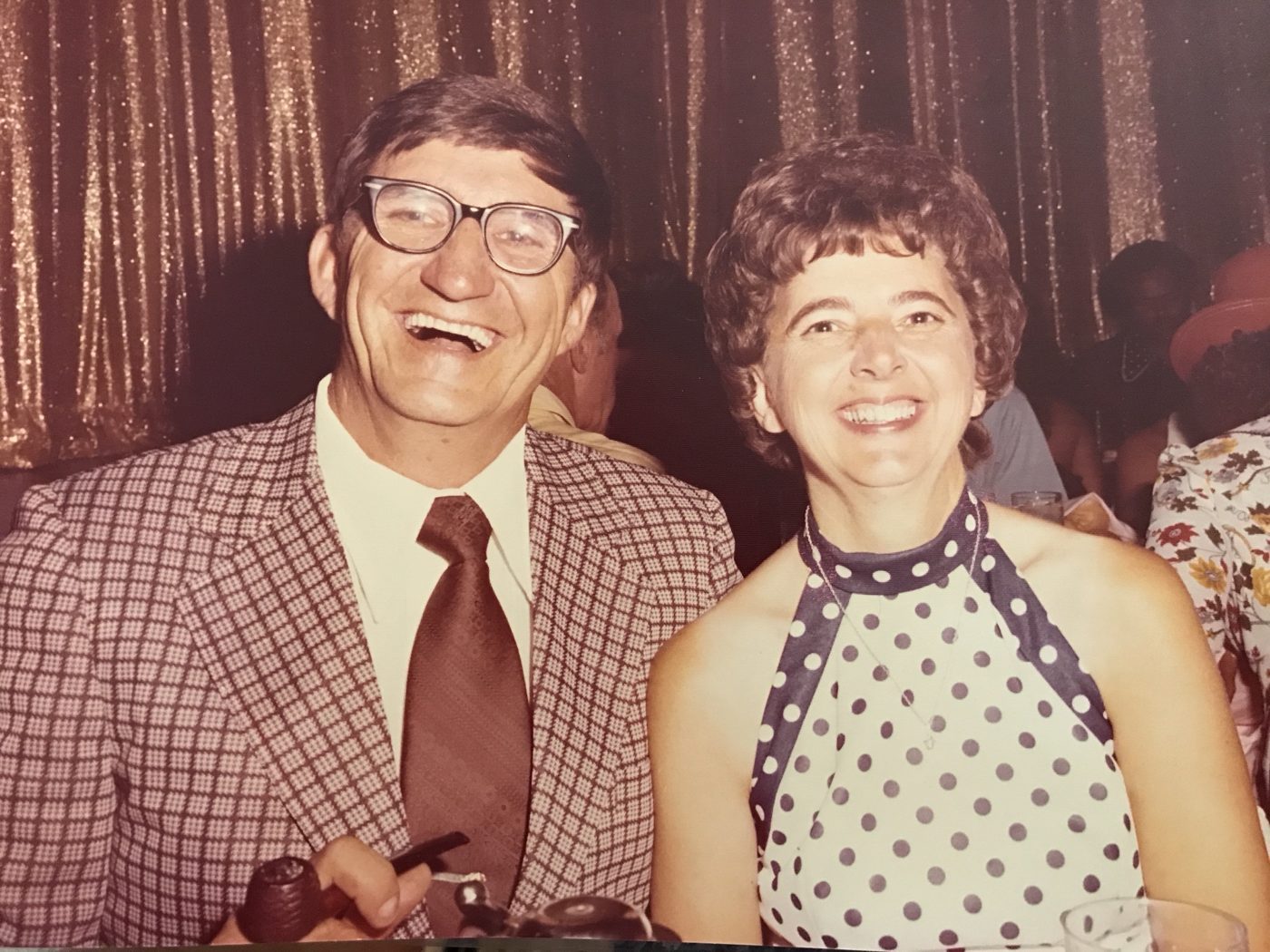
Christmas was a big deal to Dad. In those years, he took up woodworking, and every Christmas became an event. The grandkids, and to be honest us kids too, would wait impatiently with our eyes closed as Dad presented each one of us with his specially made gift.
Hope chests. Rocking horses. Knickknack shelves. Sports ball holders. Folding ironing board and step stool combos. Cradles. You name it, he made it.
He taught us that his love was infinite… and that giving is far better than receiving.
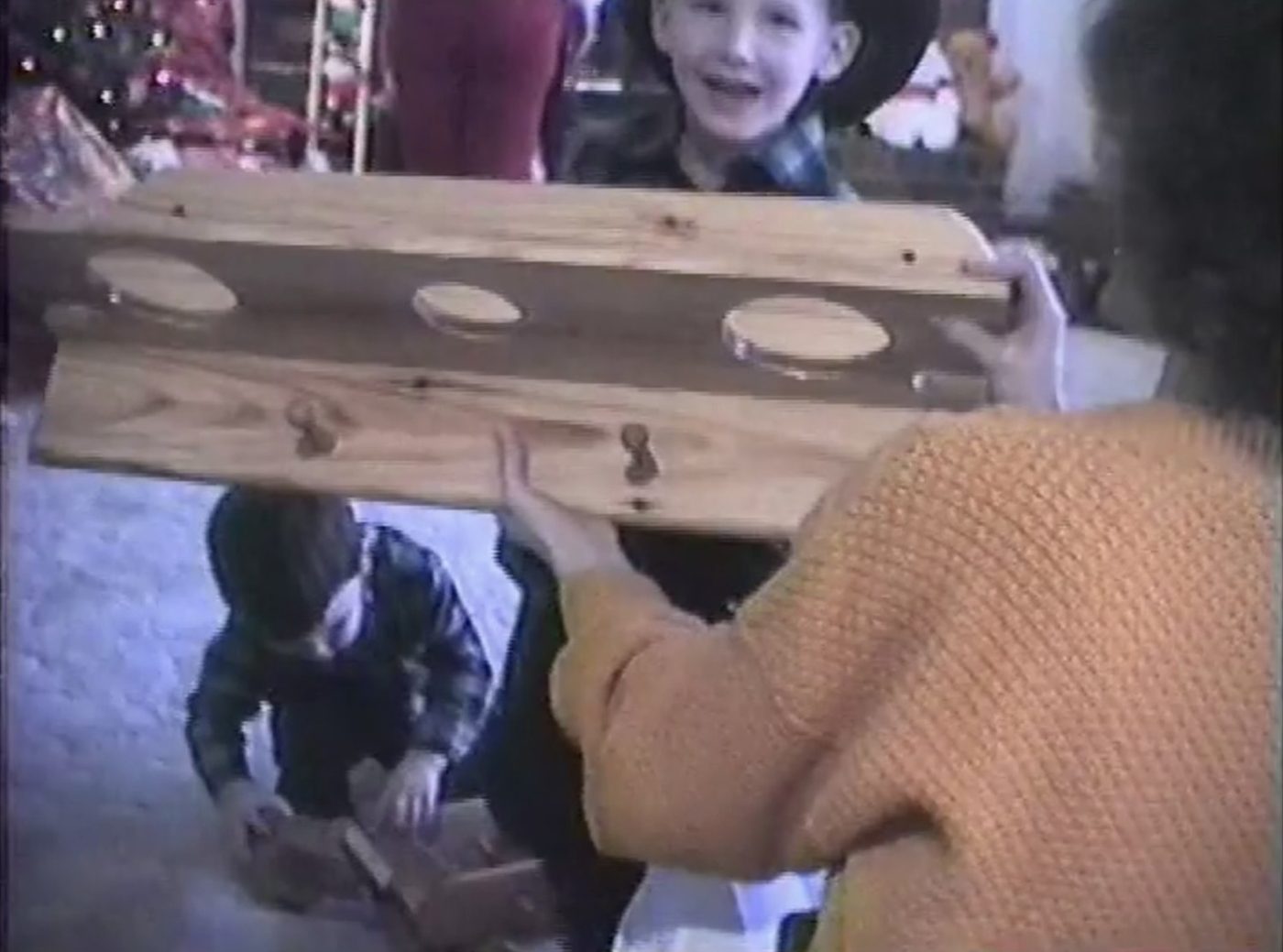
One year I even made a video called Daddy’s Hands, with our favorite moments through the years.
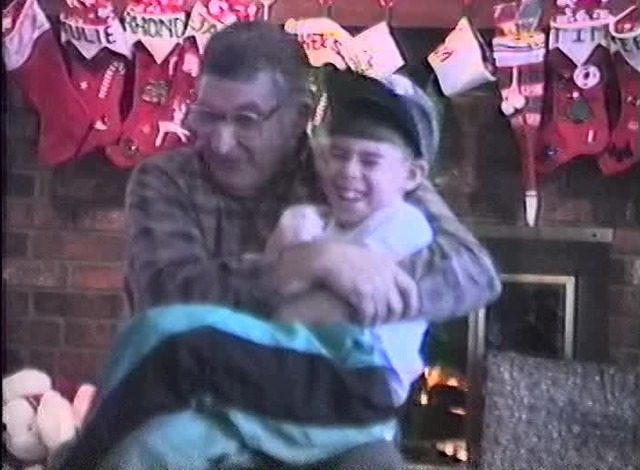
Dad’s name lives on in our family, and so does Robby’s. Steve named his firstborn son Robby, after both Dad and our late brother. And I named my firstborn son Bobby, after Dad. That Steve and I both named our sons after him says everything about how deeply we loved and respected him.
- What family tradition do you want to pass down?
- What did your parents give you that money couldn't buy?
© 2026 Jeff Davis. All rights reserved.
Faith
Dad’s faith was rock solid.
Dad was raised Baptist. His mother was devout, and he grew up going to church. When he married Mom, he converted to Catholicism, because he felt it was important to raise a family under one faith. He was baptized at the same time as their oldest child, my brother Robby.
His faith only grew stronger with the years. Later in life, he and Mom traveled to Europe to visit Medjugorje, the Sanctuary of Our Lady Queen of Peace, in what is now Bosnia and Herzegovina. It meant a great deal to both of them. Their faith taught them that Mary, the mother of Jesus, was bringing special messages to six children there, and encouraging Catholics everywhere to pray for grace and peace in the world today.
Dad bought a rosary for me in Medjugorje. I left the Catholic Church years ago, but that rosary is still very special to me.
His favorite songs were “The Old Rugged Cross” and “Amazing Grace.”
I can still remember listening to Dad sing in church. He had a strong voice. By some standards, he wasn’t a talented singer, but I never tired of hearing him sing, in church or to us kids. And every time he sang “Ole Shep,” he brought us to tears. My sister Julie had her own song with Dad: “You Better Not Do That,” a popular country tune from the 1950s about a young boy and girl flirting a bit. Dad loved to sing it to her, and it made her smile so much. It was magical. I long to hear him sing again.
He didn’t preach at us much. He didn’t need to. We were in church every Sunday, and we saw his faith in how he lived the rest of the week.
I think often about that night before I was born, and those seven sets of cookware. Dad never doubted where that came from.
And his faith never showed more clearly than at the end. As pancreatic cancer wore him down, he kept saying he was counting his blessings. And he meant it.
When my own diagnosis came, I thought about that a lot. Today I thank God every day for my blessings, just like he did.
I’ve come to believe his faith was the root of everything else in this book… his honesty, his word, his empathy for people, his steady love.
- Who in your life lived their faith more than they talked about it?
- When have you seen a prayer answered?
© 2026 Jeff Davis. All rights reserved.
Common Sense
Dad told me to use common sense over and over again. He was emphatic about it.
He valued his college degree. But he also knew that being educated and having common sense are two different things. You can be educated and not have common sense. There is a difference.
Dad had plenty of both, and a lot of his common sense came from his childhood. As a boy he worked at his dad’s business, Route 66 Salvage, learning from a father known as a great trader and deal maker.
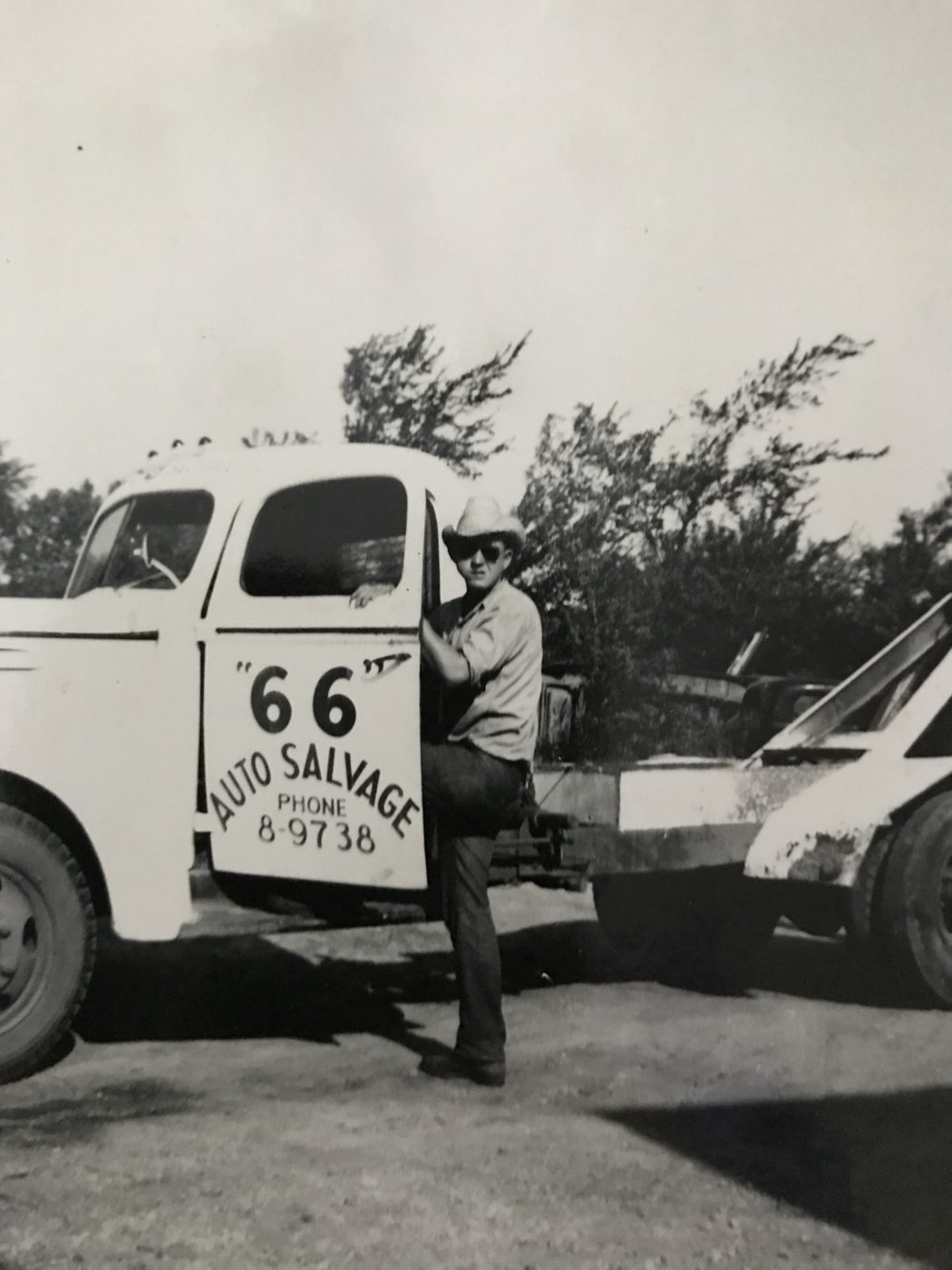
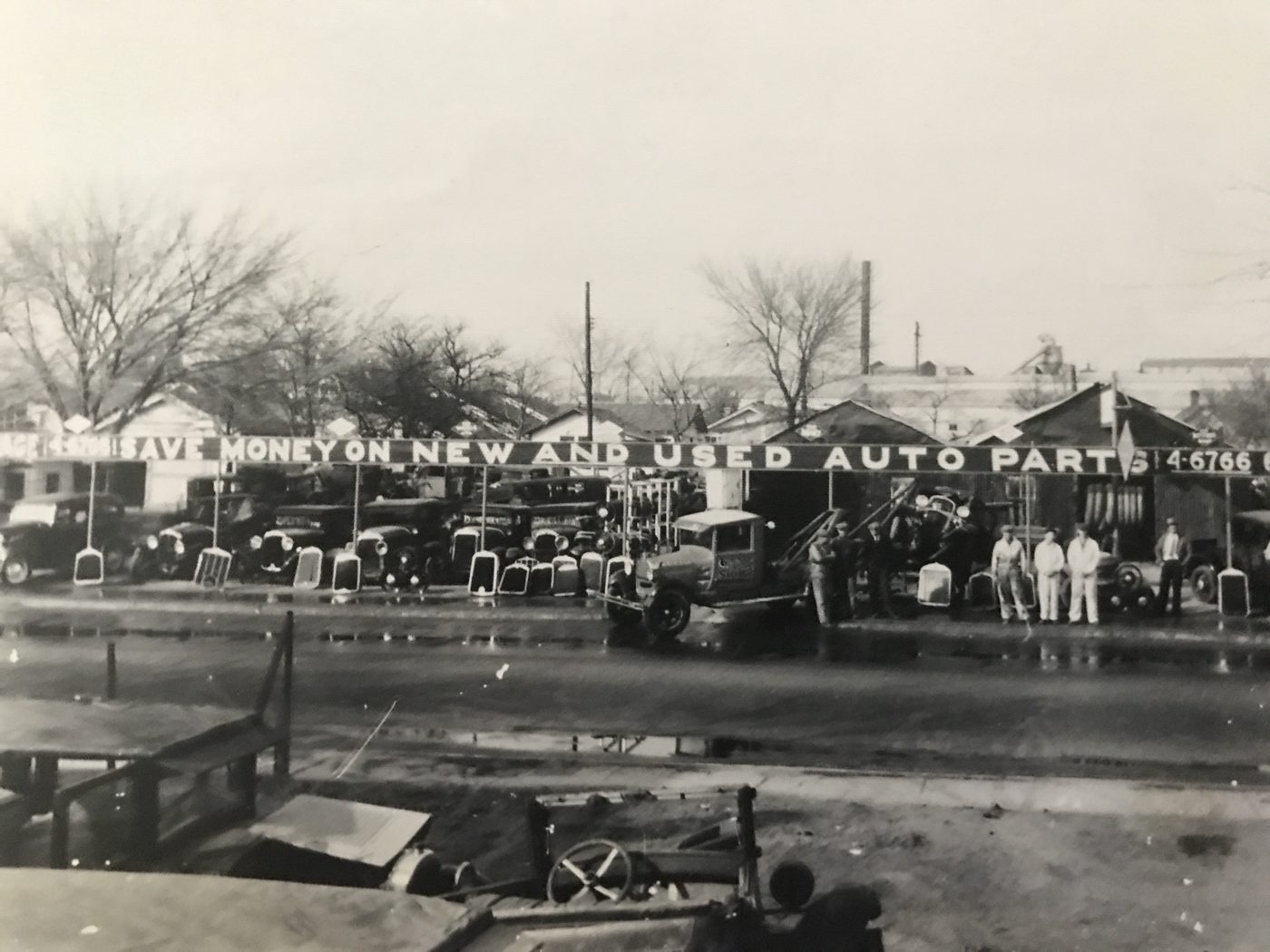
Then there was the hay hauling business. When something broke or went wrong out in the field, there was no one to call. He had to reason it out and fix it himself… and he did.
Of course, I should point out that as a kid, Dad didn’t always use common sense. He once told me about the time he planned to parachute out of the top floor of the barn. He grabbed his mom’s blanket and held it by all four corners, so it would catch the air and float him gently to the ground. By Dad’s account, the blanket beat him down, and he fell hard… into goodness knows what in the barnyard. One more lesson learned.
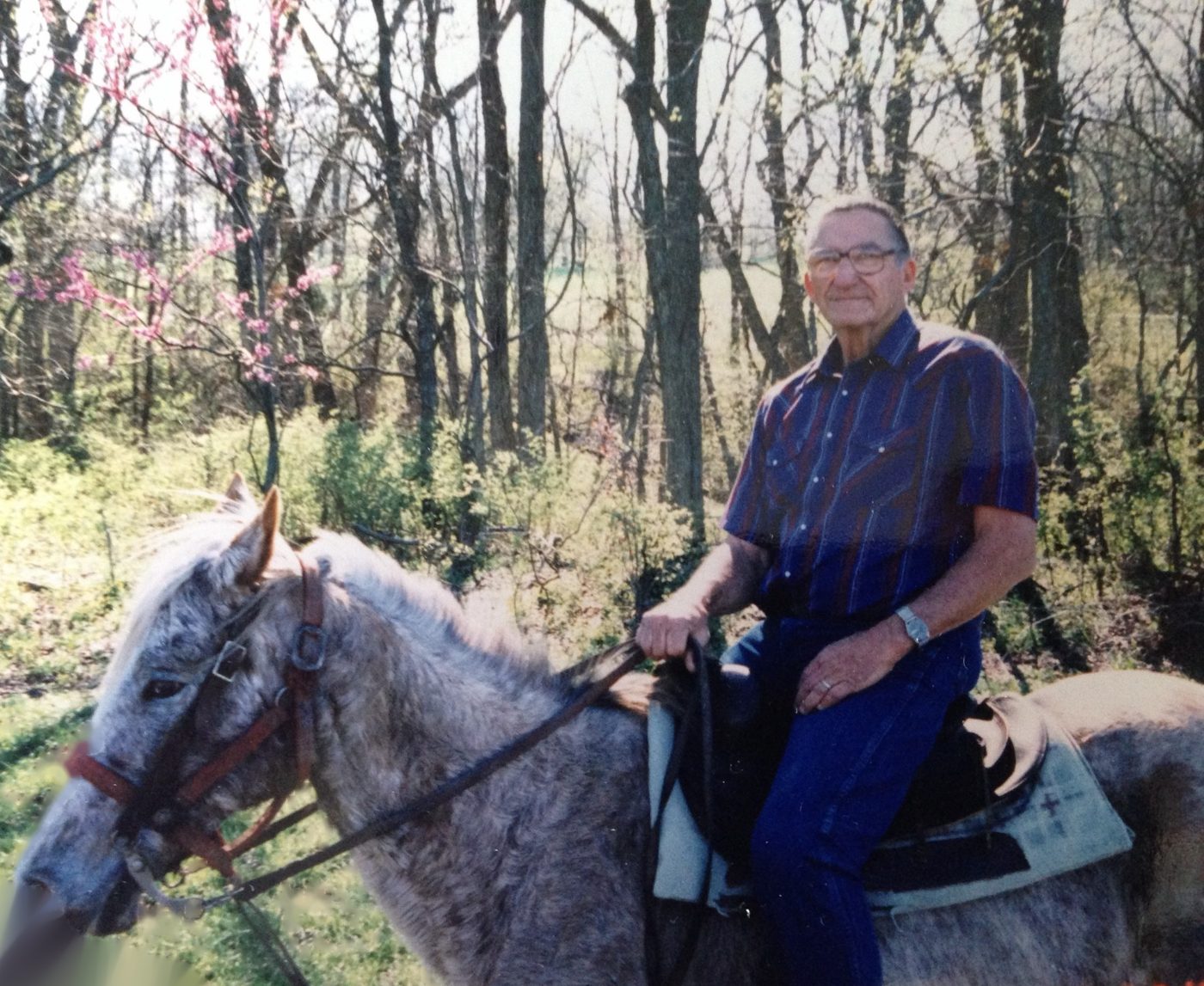
Growing up on our farm, I watched him many times solve problems that looked really complex to me with just a little common sense. He knew how to use his tools, or whatever happened to be lying around, to get the job done. I always said Dad was farm smart.
You could see it in the funnel cake business, too. When Dad started Carol’s Funnel Cakes, he was one of the first, and there was no manual for it. The standard method was to take a funnel, hold your finger over the small end, fill it with batter, and then slowly let the batter pour through into the hot oil. One funnel, one funnel cake.
Dad knew there had to be a better way. So he took a pitcher and had a funnel welded onto it. Now he could pour several funnel cakes from a single pitcher, at least four times faster. At a very busy festival or fair, that was a major boost in productivity.
Then there was the batter. He mixed it in a 5-gallon food-grade bucket. But rather than beating it by hand with a giant whisk, he came up with the idea of using a paddle like the ones we used to mix concrete. (I’m not saying the paddle was food grade… but we’ll go with that.) It whipped the batter so much faster and better than anyone could by hand. Plus, it saved a lot of wear and tear on wrists and elbows.
Those are just two of the innovations his common sense made possible.
Me? Not always so much. When I was about 9, mowing the yard was my chore, and I hated it. So I came up with a plan to get out of it: an electric lawnmower. I’d take an old washing machine motor and put it on the mower. Then I’d tie the mower to a stake in the center of the yard and let it cut smaller and smaller circles until it reached the stake.
I was busy planning all this when Dad, laughing, asked one question: “How long is that extension cord you’re going to use?”
Of course, that was terribly deflating for a kid trying to get out of work. But it taught me that I had to use common sense and think things through. And Dad laughed out loud every time he told that story.
- What's the best piece of practical advice you ever got?
- When did you overthink something that had a simple answer?
© 2026 Jeff Davis. All rights reserved.
Patriotism
Dad was a steadfast and dedicated American patriot, and he made sure all of us kids loved our country too.
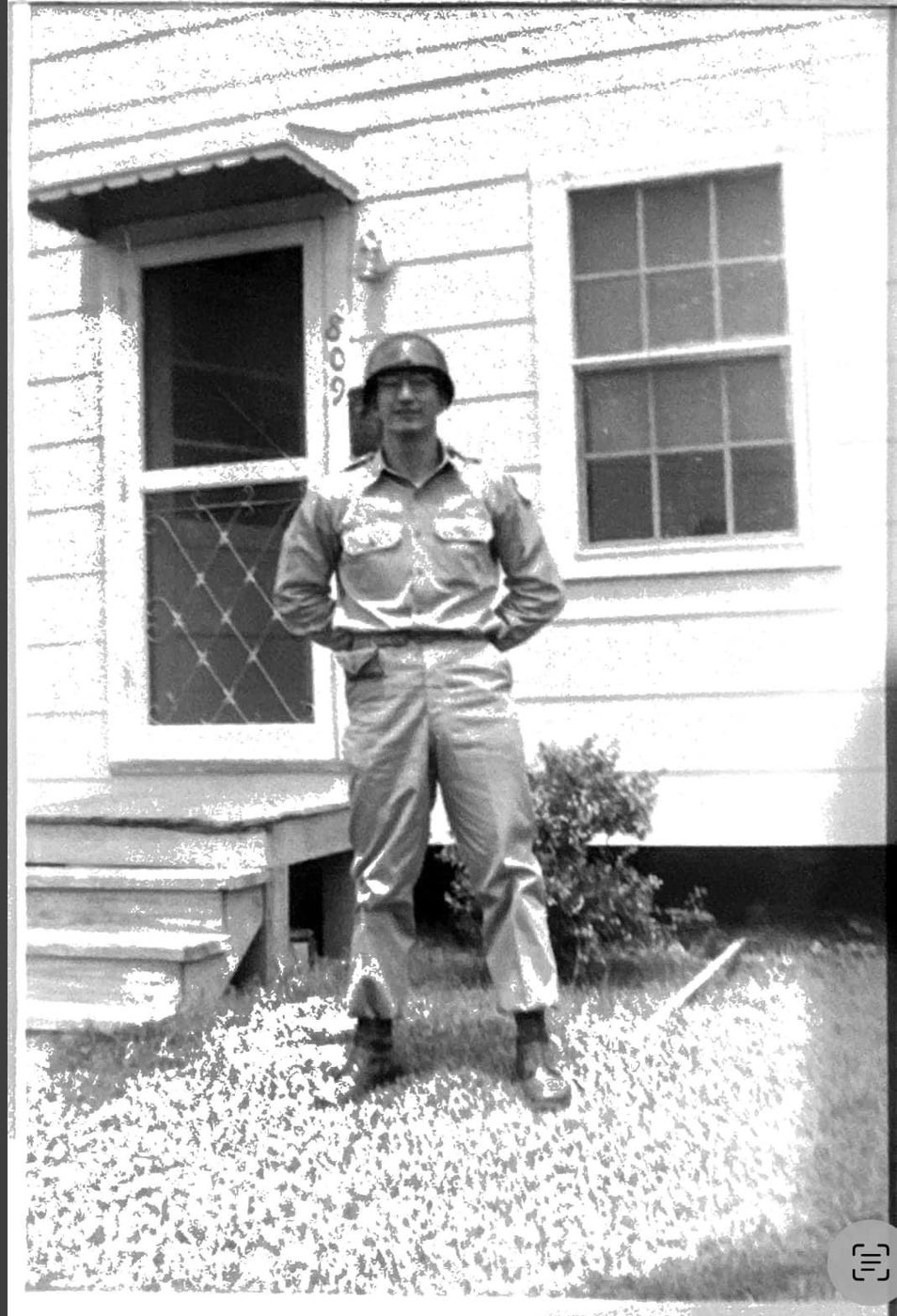
He taught us how to care for the American flag and what it meant. Never let it touch the ground. Treat it with reverence and respect. When the national anthem plays, take your hat off and stand at attention with your hand over your heart.
And he lived it. Dad always seemed to be one of the first to rise when the national anthem was about to begin. I distinctly remember him looking intently at the flag as the music played. I can only imagine he was thinking back on his own time in the Army… and no doubt thinking of all the soldiers who gave all so that we could enjoy our freedom.
He flew the flag everywhere he lived, because he knew what it represented.
That respect rubbed off on all of us kids, and Steve found his own way to show it. He was a very good speaker, even as a boy. When he was about 12 or 13, he entered a talent show, and his talent was a speech called “The Flag.” He talked about respect for the flag and the meaning behind it, and he closed by encouraging everyone to stand whenever the flag is present. Right on cue, an American flag was presented to the audience, and every single person in the auditorium leapt to their feet… led by Bob.
Dad was beaming that night. His son had stirred that much emotion over our nation’s symbol.
What I didn’t fully understand until later was how much his own service weighed on him. Dad was honorably discharged from the Army. But Robby’s illness had kept him stateside when his unit went overseas.
He was always a bit embarrassed that he didn’t serve with his unit. He asked Mom not to mention his service in his obituary. He felt it would somehow take away from the service of the men who actually went overseas.
He even declined to have the flag draped on his coffin. To the very end, he felt that honor belonged to the men who went.
That humility taught me more about loving your country than any speech ever could.
Today, Dad’s love of the flag lives on. His grandson Bobby owns the largest flagpole business in Oklahoma, with his brother, Taylor, as his right-hand man. Together, they spread the pride of the American flag. Dad would be so proud of them. I’m pretty proud too!
- Who in your family served, and what do you know about their story?
- What does loving your country look like in everyday life?
© 2026 Jeff Davis. All rights reserved.
Unconditional Love
Of everything Dad taught us, this may be the most important.
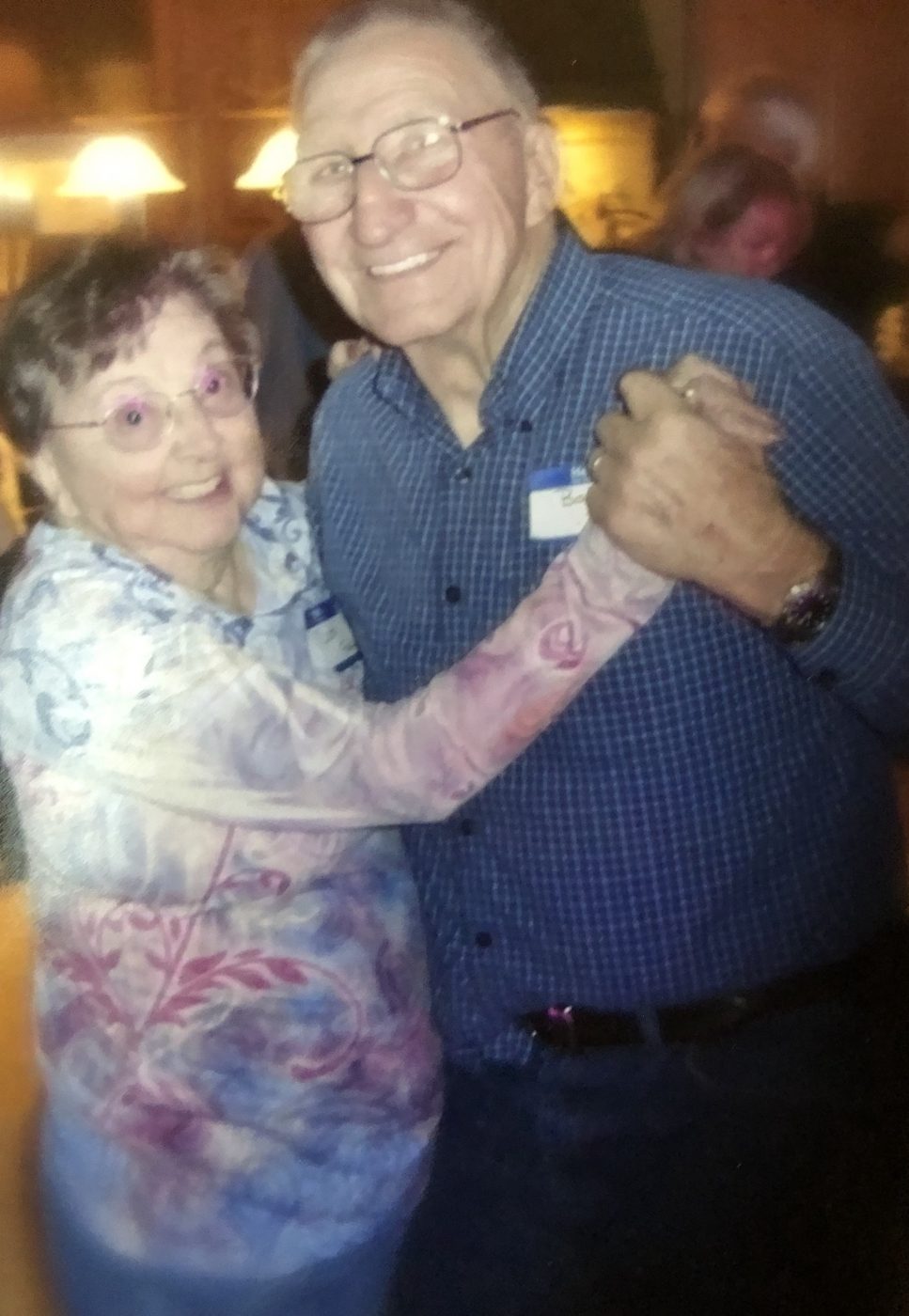
Dad held us to a high standard. He expected the truth. He expected us to keep our word. He expected us to work. And sometimes we fell short. But his standards and his love were two different things. You could fail the first. You could never lose the second.
Dad wasn’t afraid to discipline us. And just before a spanking, he always said the same thing: “This will hurt me more than it hurts you.”
As a child, I had serious doubts about that. (From where I was standing… or bending over… the math just didn’t math.)
Then I had kids of my own. Now I understand exactly what he felt.
Not every spanking went as planned, though. Washing the pots and pans was a chore around the house we all tried to avoid. One night Jana and I got into it over the dishes, and Dad was furious. He grabbed a dish towel. But instead of flipping it at us like you would in a locker room, he swatted us with it. Of course, it didn’t hurt a bit.
Jana and I could not contain ourselves. You know that feeling when you’re in church, or anywhere else laughing is forbidden, and that only makes the urge to laugh out loud even greater? That was us. I’ll never forget Dad flailing that towel at us. We didn’t feel a thing… but we laughed so much and so hard. It’s the only time I ever laughed after one of his “spankings”!
Dad had another rule. Whatever trouble I got into at school, and whatever punishment I got there, I’d get double at home. And I believed him.
I’ll admit I could be a bit disruptive in school. In high school, for whatever reason, I was especially disruptive in math class. I really didn’t like math. So when parent-teacher conferences came around, my teacher, Mrs. Mayo, told Mom and Dad all about it.
Dad told her, “Well, don’t you worry. I’ll make sure Jeff is never disruptive in your class again.” Apparently he said it in a way that scared her, because she quickly answered, “Well, he really isn’t that bad.” I think she was afraid he was going to come home and beat me. He never did, not once. Dad was strict, but he was never abusive.
When he got home, he told me the whole story. He didn’t punish me. He just told me to straighten up… and then we had a good laugh about it. From then on, I was a model student for Mrs. Mayo, out of respect for Dad, and for her.
Dad wasn’t perfect, and he’d be the first to tell you so. (Remember that verse at the front of this book? Patience was never his strong suit.)
He was always in a hurry to get things done, and most of the time he didn’t stop to “smell the roses.” And because he worked so many nights, he wasn’t always able to make it to our events. That must have been hard for him.
Like most men of his generation, he didn’t talk about his worries or his problems. But I know the pressures of raising a family weighed on him. He had been carrying that kind of weight since he was a boy. And sometimes it came out as anger, or a short temper.
But none of that ever changed how much he loved us. And none of it ever changed how much we loved him. Unconditional love goes both ways.
And here’s the other thing about Dad. He always told me how proud he was of me. I never had to guess how he felt.
He laughed at my goofy ideas and my stupid moments. He scolded me, too. But despite it all, I was secure in the knowledge that he was proud of me and loved me very much.
I hope my sons feel that from me. If they don’t, I have failed them. So, as they read this, I want it on record:
Bobby and Taylor, I’m proud of you. I love you, and I will always be here for you. You are two men of faith, and I am immensely proud of that.
That kind of love is the greatest gift a dad can give a son. I know, because I received it.
He gave his love every day, to Mom, to Steve, Julie, Jana and me, and to everyone lucky enough to call him a friend.
As a teenager, one of my favorite albums was The Best of Bread. I listened to all those songs, and one of my favorites was “Everything I Own.” Like a lot of people at the time, I thought it was a breakup song. It was only recently that I learned David Gates wrote it as a tribute to his late father. Wow. It took on a whole new meaning for me. I can completely understand how David Gates must have felt.
Near the end of the song, he asks a question that hits close to home. Is there someone you love but take for granted? You could lose them one day, before they ever hear the words you’ve been longing to say. That’s exactly why I wrote my letter to Dad… and why I wrote this book. So tell the people you love how you feel about them. Dad always did.
- Who loved you even when you fell short?
- Who needs to hear how much they mean to you… before it's too late?
© 2026 Jeff Davis. All rights reserved.
The Moral of His Story
Dad lived just six months after his diagnosis.
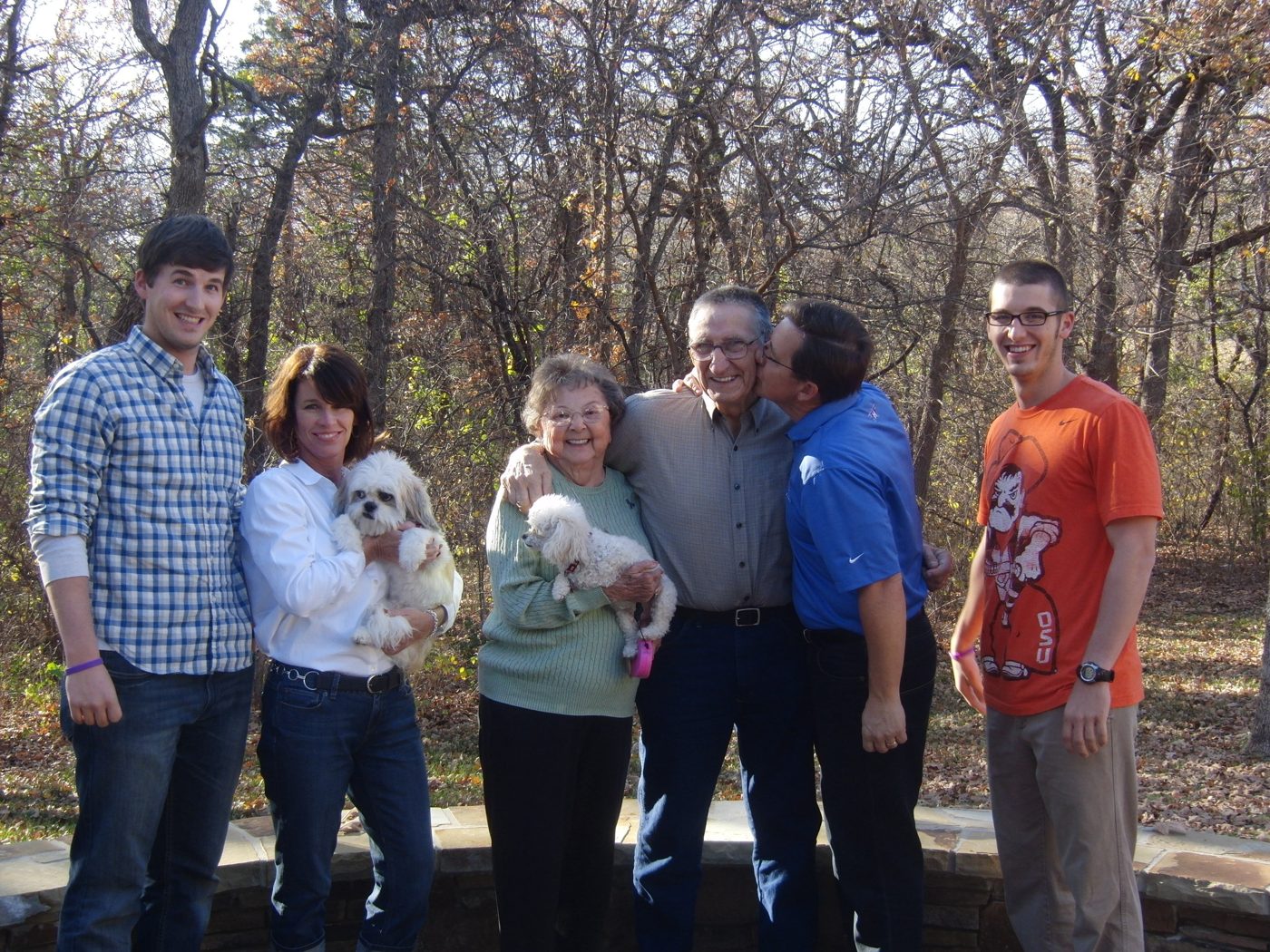
A few weeks before he died, Dad told me he was going to put an ad in the paper to sell his Dodge pickup. He loved that truck.
I tried to talk him out of it. He wasn’t healthy enough to deal with buyers, and Mom certainly couldn’t go on a test drive with someone. So I told him I would take it to a local dealership and find out what they would give him for it.
When I got back, he asked, “How much?”
“They said they’d give you $7,500,” I told him.
His eyes lit up, and he smiled. “Oh,” he said, “that’s exactly what I need to pay for my burial.”
It was such a relief for him. It was like one more box had been checked… one more thing taken care of so his funeral could be paid for. The truck he loved was worth exactly what he figured he needed.
It was a very poignant moment. He didn’t want to be a burden to Mom. He loved her so much, and he wanted to make sure she would be taken care of. Even at the very end, he was still providing. That just speaks volumes about the man he was.
The last weekend of his life, Dad asked that all the kids and grandkids gather on Sunday to go to Mass together. Sadly, he didn’t feel well enough to make it to church that morning. But we all spent the day with him.
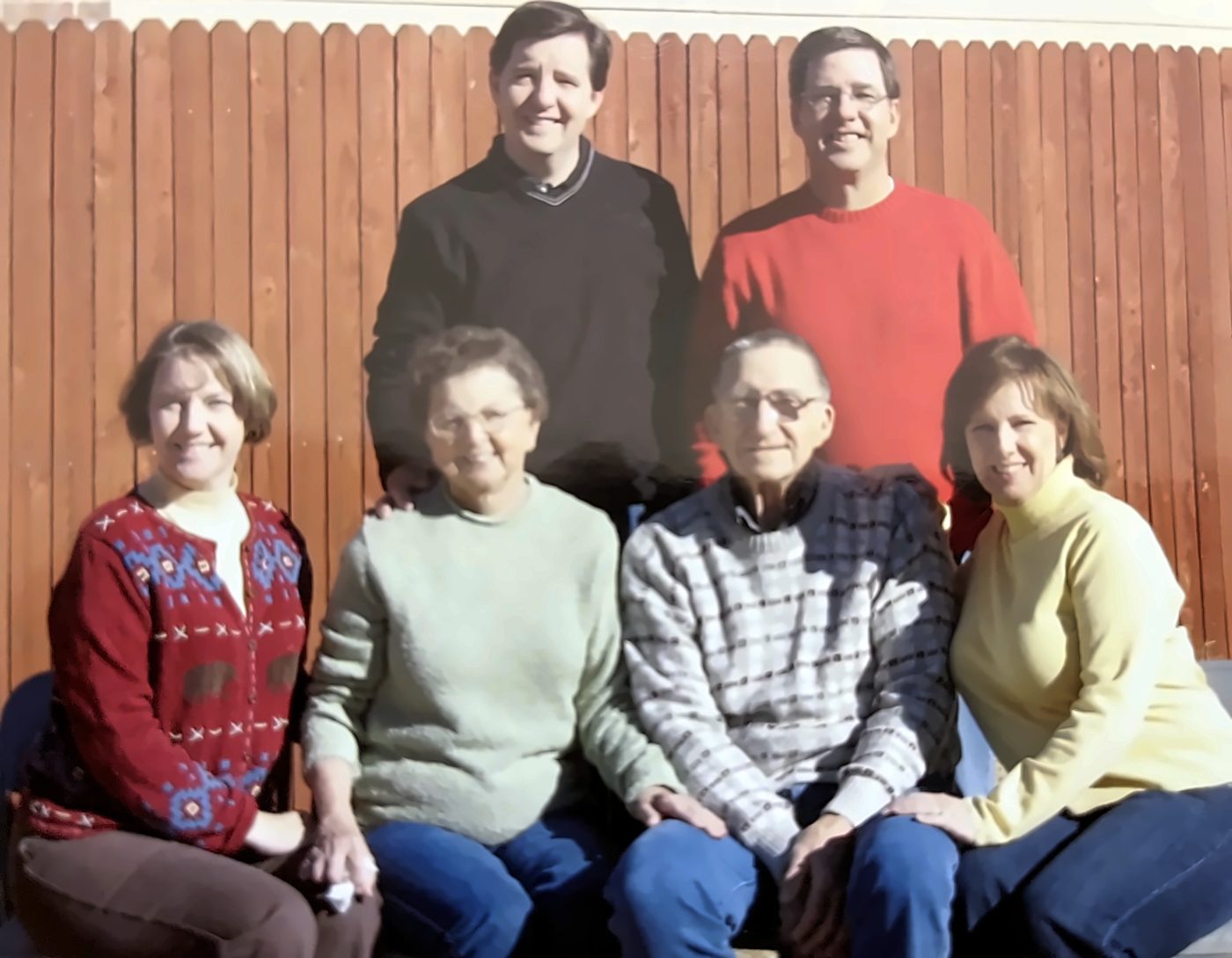
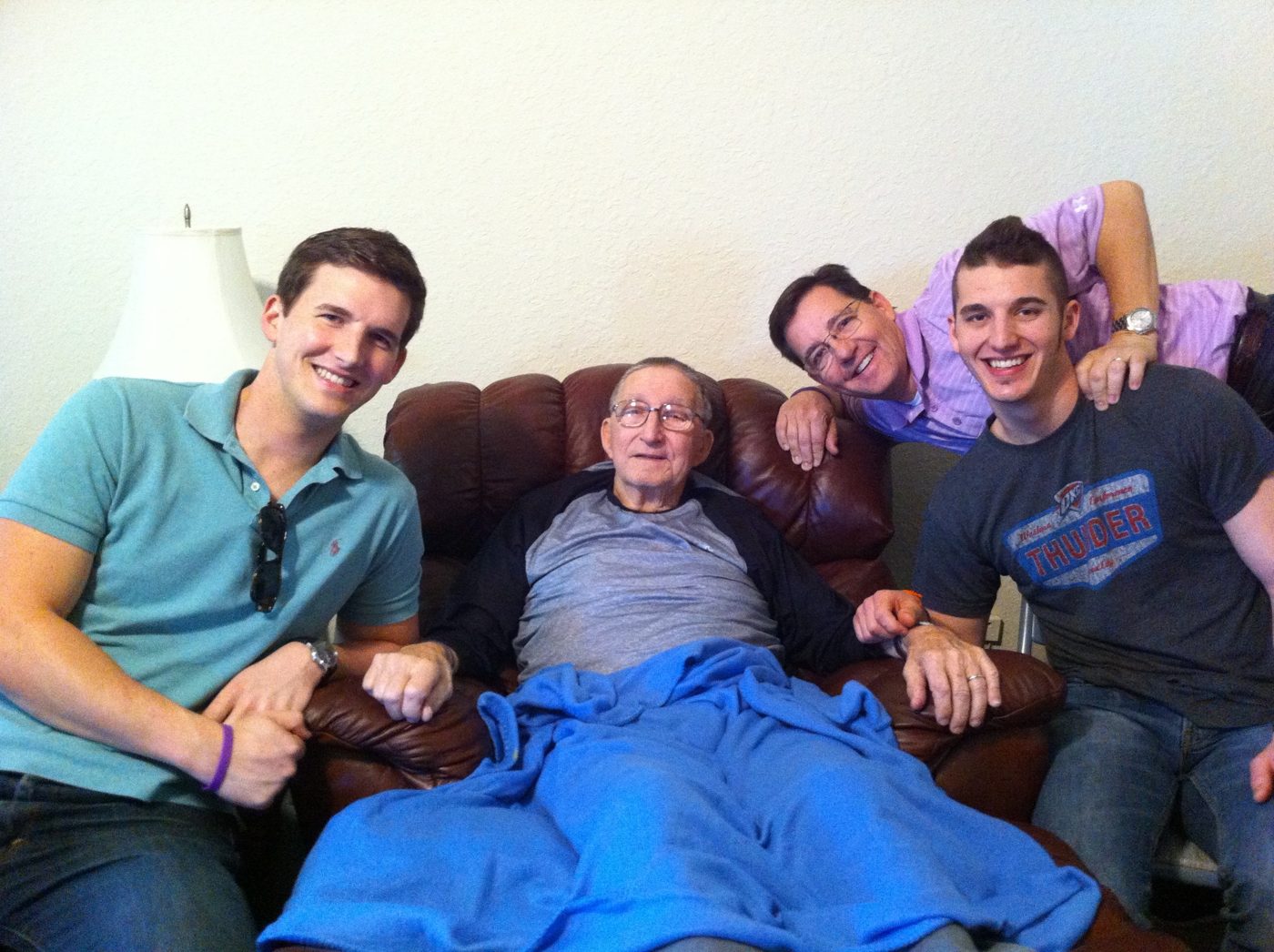
I remember sitting with him, just the two of us, while everyone else was outside. He was happy. I think that day he decided it was time to slip away. Three days later, on March 28, 2012, he was gone, grateful for his faith and his family, and humble to the end.
Mom was never the same after Dad passed. She loved him so much. About two years later, she passed away, too.
To this day, I miss him terribly. But every time I tell the truth when it costs me, keep my word, or try to make Rhonda’s day a little better… he’s still here.
That was his life. Now his legacy… the moral of his story.
I wrote this book so his lessons wouldn’t stop with me. If you’ve read this far, they’re yours now too. Tell the truth. Keep your word. Put yourself in the other person’s shoes. Work hard. Keep going. Take care of your family. Use your common sense. Love your country. Love the people in your life the way Bob loved his… unconditionally. And above all, trust God with all your heart.
That’s life, according to Bob.
© 2026 Jeff Davis. All rights reserved.
A Letter to Dad
I wrote this letter to Dad shortly before he died.
I knew he was sick. But I couldn’t bring myself to give it to him, not even that last Sunday, when we sat together, just the two of us. I had no idea he would be gone three days later.
Then my sister called. Dad was fading fast, she said, and I needed to get to him quickly.
And still, I didn’t leave right away. I hung around my office for about two hours, just doing busy work. I was numb, I guess, knowing that he would soon leave me. I think it also had something to do with the finality of it all. Writing the letter, delivering the letter… it felt like I was hastening the end.
Finally, I grabbed the letter and made the hour-and-a-half drive to see him.
By the time I got there, Dad was on his deathbed. I was too emotional to read the letter myself, so my Aunt Betty read it to him while I sat there crying.
I’m afraid I waited too long. It’s one of my biggest regrets. My earnest hope is that he heard it, but I will never know.
So make sure you tell your loved ones how much they mean to you… before it’s too late.
Dear Dad,
Writing this letter is a pretty tough thing to do. In the back of my mind, I guess I was hoping that by delaying this task I would somehow delay the inevitable day I have always feared the most. Although I’ve never told you this, I remember as a small child having nightmares over the possibility that you would die. It gripped me with fear because I knew then, as I know now, that you are my rock, my safety net and my inspiration.
I’ve met many great men – governors, United States Senators, presidential candidates, generals, major company CEOs – and you are by far the greatest of them all.
Your wisdom, insight, work ethic, empathy, spirituality and humble nature all belie your background. To think that you have been such a great father and husband when your own father died when you were so young is a testament to your inherent goodness.
You taught me that hard work combined with honesty, integrity and respect for others would lead to success… You were right…
You also taught me how to love. The example of the adoration and service to Mom has been my template… You taught me that the most important thing I can do is to strive to make Rhonda happy every day! You taught me that family is my first obligation and you taught me that real love and devotion from a dad is the greatest gift that can be given to a son.
You also taught me that no life is truly complete without a strong faith in God. Your quiet spirituality speaks in great volume to those around you.
Just as I didn’t want to start this letter, I most certainly don’t want to end it. But I do know that all good stories and lives have a moral. You taught me that.
I’m reminded of your most famous closing…. “As long as I keep drinking whiskey, I’ll never have worms.”
Don’t worry Dad, I got the moral of your story far better than the guy in the back of the church…
I Love You So Much… Rest Easy…
Jeff
I’ll never know for sure whether Dad heard that letter. That’s the hard part about waiting too long.
But my grandchildren can read this one. And so can theirs.
So this book is my second letter. Not to Dad this time, but about him… for everyone who will only know him through these pages. And this time, I didn’t wait.
Rest easy, Dad. Your lessons are in good hands.
© 2026 Jeff Davis. All rights reserved.
Bob's Life at a Glance
A few dates to help keep the story straight. Some are approximate.
- 1933 Born in Tulsa, Oklahoma. Grows up in a farmhouse at 11th Street and Lynn Lane, on old Route 66, where his dad runs Route 66 Salvage.
- About 1936 At age 3, scarlet fever takes the sight in his right eye.
- About 1944 His father dies of tuberculosis. Bob is 11.
- About 1946 At 13, starts his own hay hauling business to help support his mom and his five brothers and sisters.
- 1951 Graduates from East Central High School as class president and football captain, then spends two years at Connors State Agricultural College.
- January 10, 1955 Marries Carol Davis.
- Mid-1950s Serves in the U.S. Army, kept stateside by the illness of their first son, Robby. Robby dies at age 3.
- Late 1950s to late 1970s Sells Fuller Brushes door to door, then spends about 20 years selling cookware for Mid-Continent Permanent. Raises Steve, Julie, Jeff and Jana, and later buys a small farm in Missouri.
- Late 1970s He and Carol start Carol’s Funnel Cakes and take it on the road across the country.
- Late 1990s Retires from the funnel cake business. Keeps a vending route, takes up woodworking and travels with Carol, from Destin, Florida, to a tiny home on an Oklahoma creek.
- 2011 Dances with Carol at Jeff’s 50th birthday. Six weeks later, he is diagnosed with pancreatic cancer.
- March 28, 2012 Dies, counting his blessings to the end.
- About 2014 Carol passes away, about two years after Bob.
© 2026 Jeff Davis. All rights reserved.
Meet Great-Grandpa Bob
Bob was born in Tulsa, Oklahoma, in 1933. When he was 3 years old, he got very sick and lost the sight in one eye. He never complained about it. He even learned to shoot a rifle and play golf with just one good eye!
When Bob was 11, his dad died. His family didn’t have much money, so Bob went to work. By 13, he had his own business hauling hay to help feed his mom and his brothers and sisters. Imagine running your own business at 13!
Bob grew up and married Carol. They had five kids, and one of them is Jeff, who wrote this book. Bob worked very hard selling things door to door. One cold winter, he knocked on so many doors that his knuckles bled. Later, he and Carol started a funnel cake business and drove all over the country selling those sweet, sugary treats at fairs.
Bob taught his kids important lessons, mostly by how he lived:
- Tell the truth, even when you’re in trouble.
- Keep your promises.
- Think about how other people feel.
- Work hard, and don’t give up.
- Take care of your family.
- Trust God.
- Use your common sense.
- Love your country and respect the flag.
Bob was funny, too. He had one word he really didn’t like: fart. It made him mad every time, which made everyone else laugh!
Bob died in 2012, before many of his great-grandkids were born. That’s why Jeff wrote this book: so you can know him too. And here’s one more lesson from Bob: tell the people you love that you love them. Don’t wait.
© 2026 Jeff Davis. All rights reserved.
Bob-isms
Things Dad said so often that we can still hear him saying them.
- “My name is Bob. Easy to spell, backwards and forwards.”
- “Come to me, tell me what you did, and take your punishment.”
- “Don’t lie about your age to get the discount. That’s the same as stealing.”
- “You’re only as good as your word.”
- “Give a firm handshake and look a man in the eye.”
- “If you take liberties with the pencil, you’re only cheating yourself.”
- “There’s two sides to every story. Put yourself in the other person’s shoes.”
- “Don’t tell others your problems. Half don’t care, and the other half are secretly glad you have them.”
- “It’s 7 a.m. and time to get to work.”
- “I can afford to buy you a car. But you’ll appreciate it more if you work for it.”
- “Use common sense.”
- “Whatever trouble you get into at school, you’ll get double at home.”
- “This will hurt me more than it hurts you.”
- “Take your hat off when the national anthem is playing.”
- “Damn it, Carol.”
- “I hope you got the moral of my story better than the guy in the back of the church!”
And never, ever say the F word. (Not that one.)
© 2026 Jeff Davis. All rights reserved.
Jeff
Jeff graduated from the University of Arkansas in 1983 and married Rhonda that December. They have two sons and seven grandchildren.
Jeff went on to found his own company. A cancer survivor, he was an avid golfer until his health brought that to an end. Today he loves trout fishing and enjoys spending time at the family fishing cabin on the White River in Arkansas, where he fondly remembers his last fishing trip with Bob. When he’s in Oklahoma, he never misses a grandkid event. And every Sunday, he looks forward to church at Faith Bible in Edmond, where he praises God and gets to see his grandkids, with Rhonda by his side.
© 2026 Jeff Davis. All rights reserved.